
Frameworks for US-India corridor performance.
These are the lenses we use with sponsors when a cross-border decision has to hold — through integration, GCC scale, leadership transition, or a people-performance reset. They are thinking tools, not guaranteed-outcome mechanisms.
What are AptCulture frameworks for?
They are senior-advisor thinking tools. We use them to make invisible corridor dynamics visible — so a sponsor can see the decision before they make it, and so an integration, GCC, or leadership investment can be tested against the real operating problem, not a template.
- Diagnostic first. Each framework starts with what is actually happening in the system, not a prescribed outcome.
- Corridor-aware. Built around the specific human-system tensions of US-India operating models, not generic global frameworks.
- Decision-grade. Designed to support sponsor conversations, integration boards, and CHRO/CEO planning — not classroom use.

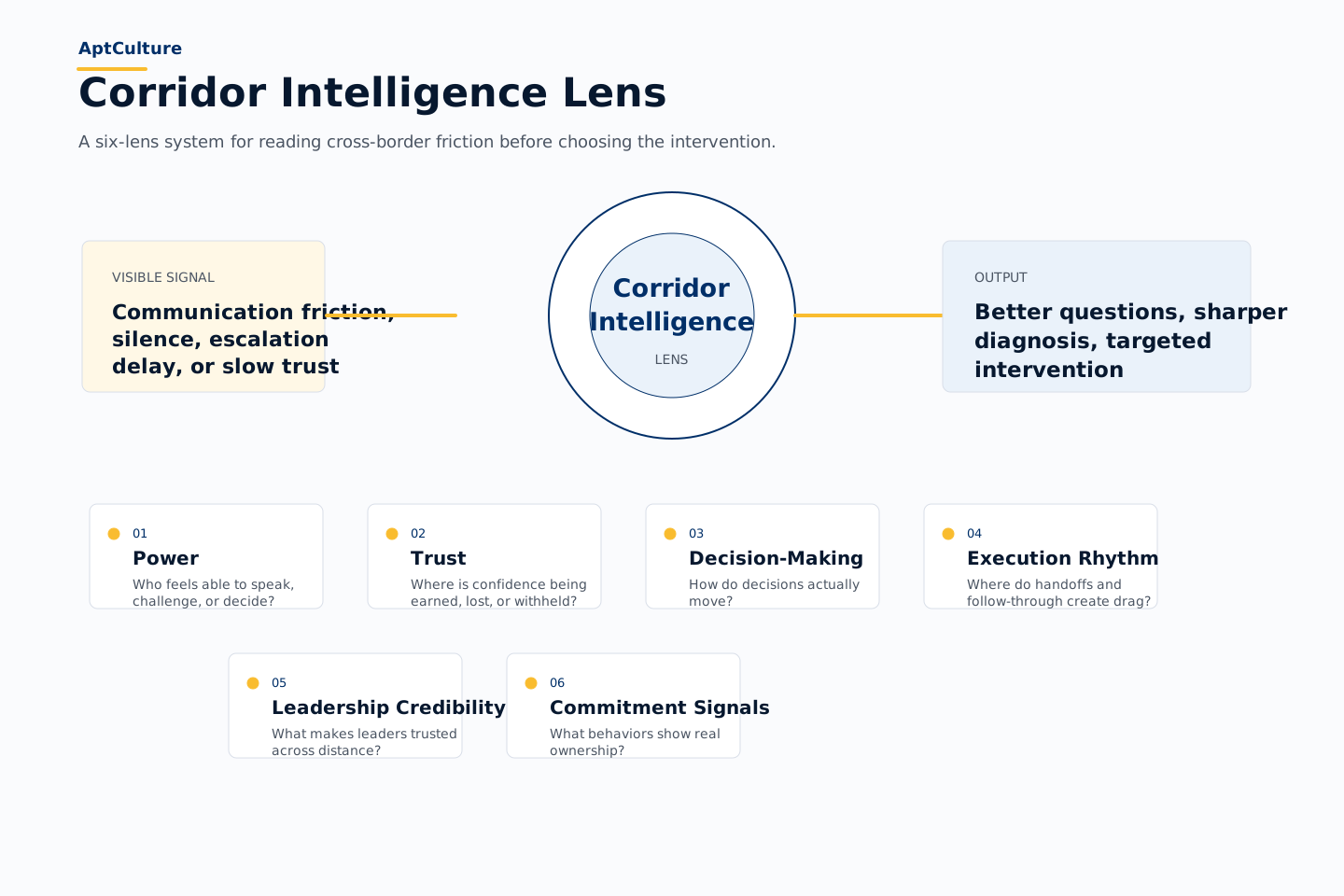
The Corridor Intelligence Lens
A diagnostic lens for reading the human-system signals that decide whether a US-India decision will hold — through integration, scale, leadership change, or quiet attrition.
- Surfaces the operating-layer signals that financial diligence and quarterly reviews routinely miss.
- Translates anecdote ("the India team is quiet in the meeting") into a system view a sponsor can act on.
- Used as the entry diagnostic before integration, GCC, or people-performance work begins.
Framework details are available through an AptCulture advisory conversation.
The lenses we use across corridor work.
Each framework is a thinking tool for a specific business situation. They are not certifications, not licensed methodologies, and not guaranteed-outcome mechanisms.
Framework downloads are not offered publicly in this release.
- M&A Integration
Cultural Integration Risk Lens
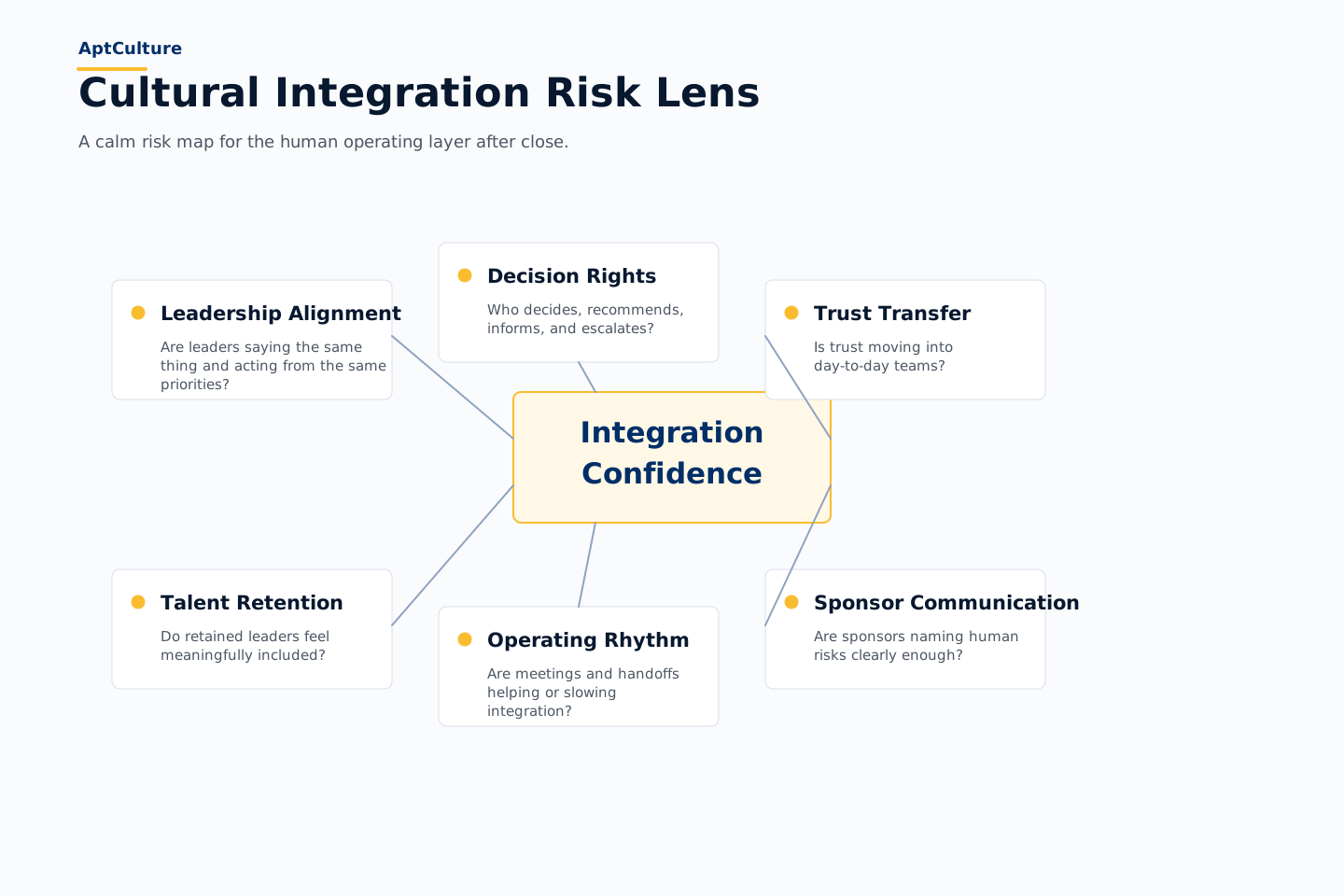
Surfaces the integration risks that financial and operational diligence rarely catch — leadership style mismatch, decision rights, and trust debt.
Best forDeal sponsors, integration leaders, and HR partners working a US-India transaction.
Framework detail pageFramework details available on request. - GCC & Global Readiness
Global Readiness Maturity Model
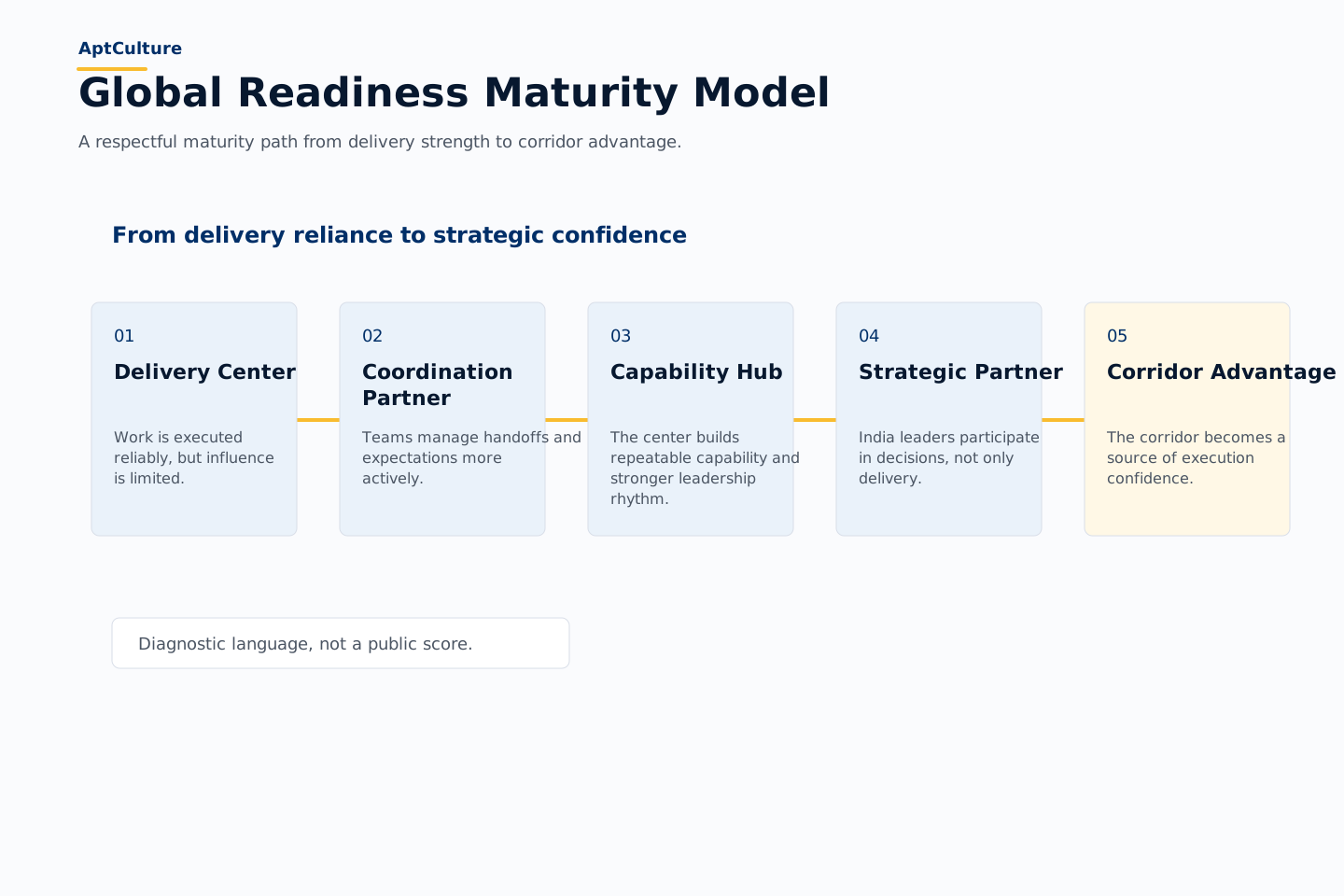
A staged view of how a GCC moves from delivery centre to a strategic node — and where leadership, talent, and operating model investment must shift.
Best forGCC heads, India site leaders, and global sponsors deciding scale and mandate.
Framework detail pageFramework details available on request. - People Performance
The People Performance Engine
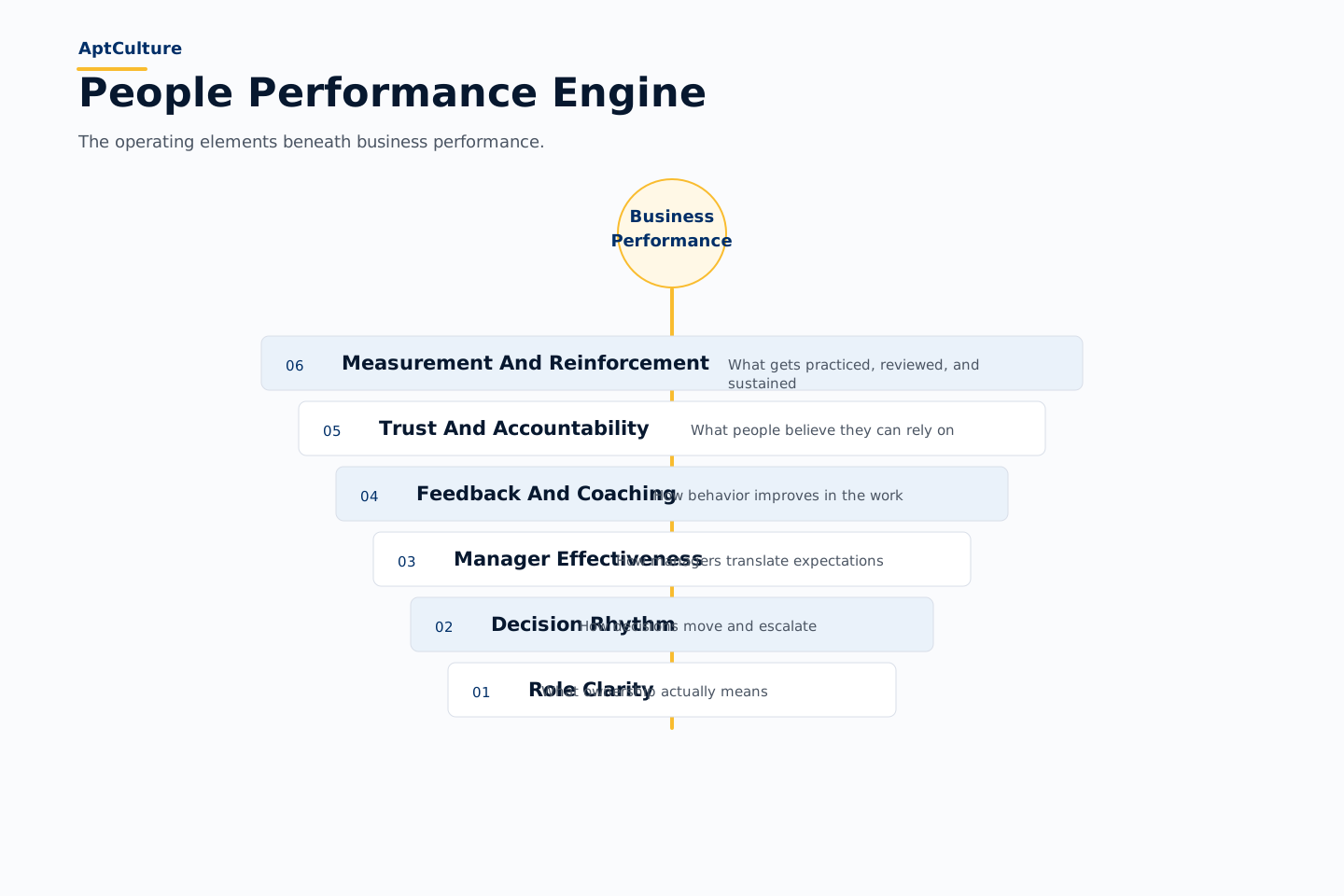
Connects engagement, capability, and execution into one operating layer beneath revenue, productivity, and retention outcomes.
Best forCEOs, CHROs, and business unit leaders translating people investment into measurable performance.
Framework detail pageFramework details available on request. - L&D Performance
Client-Aligned Performance Improvement Loop
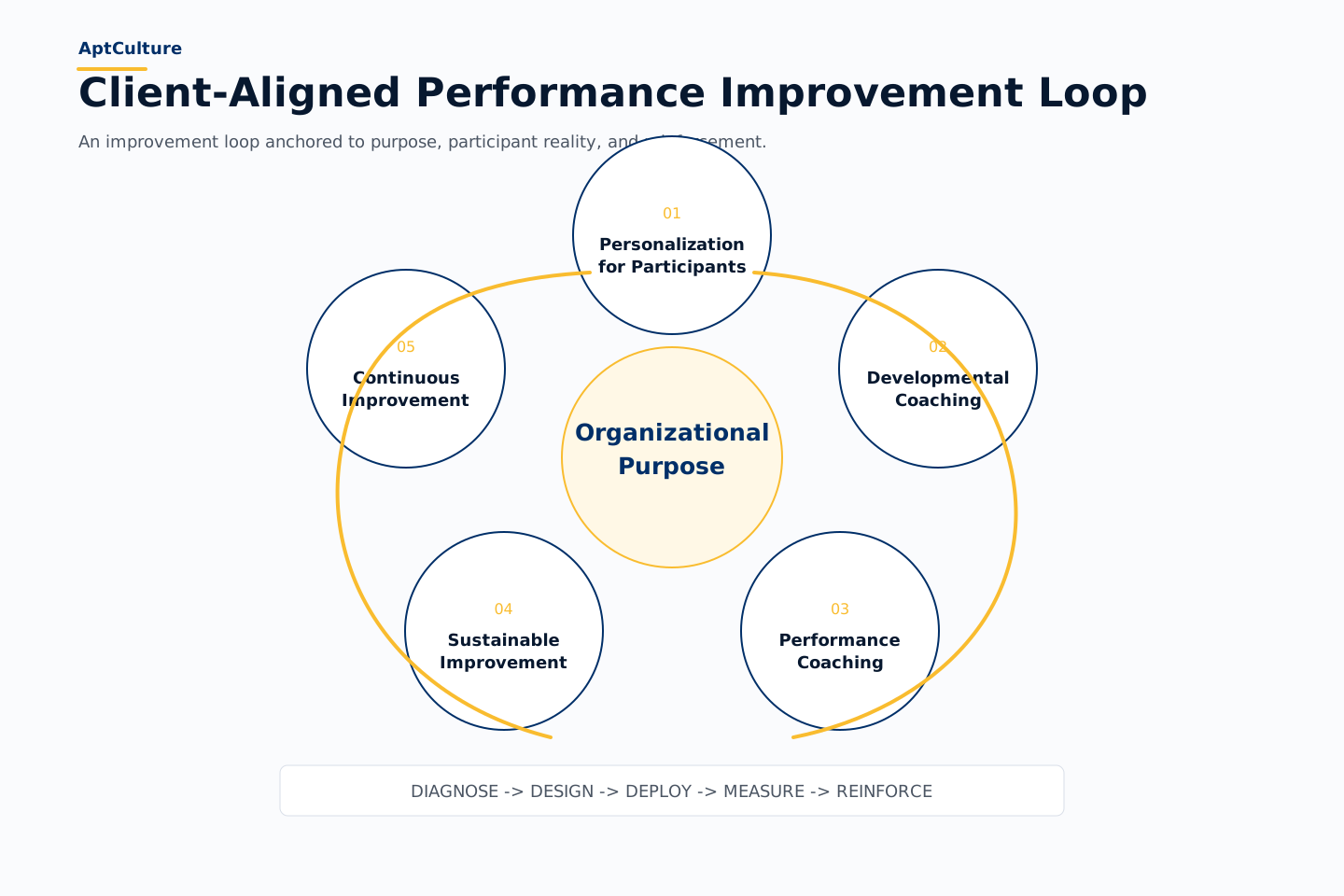
A diagnostic-to-impact loop for L&D engagements — anchored on the business problem, not the catalog.
Best forL&D leaders being asked to prove that capability work moved a real number.
Framework detail pageFramework details available on request. - Corridor
Signal-to-System Model
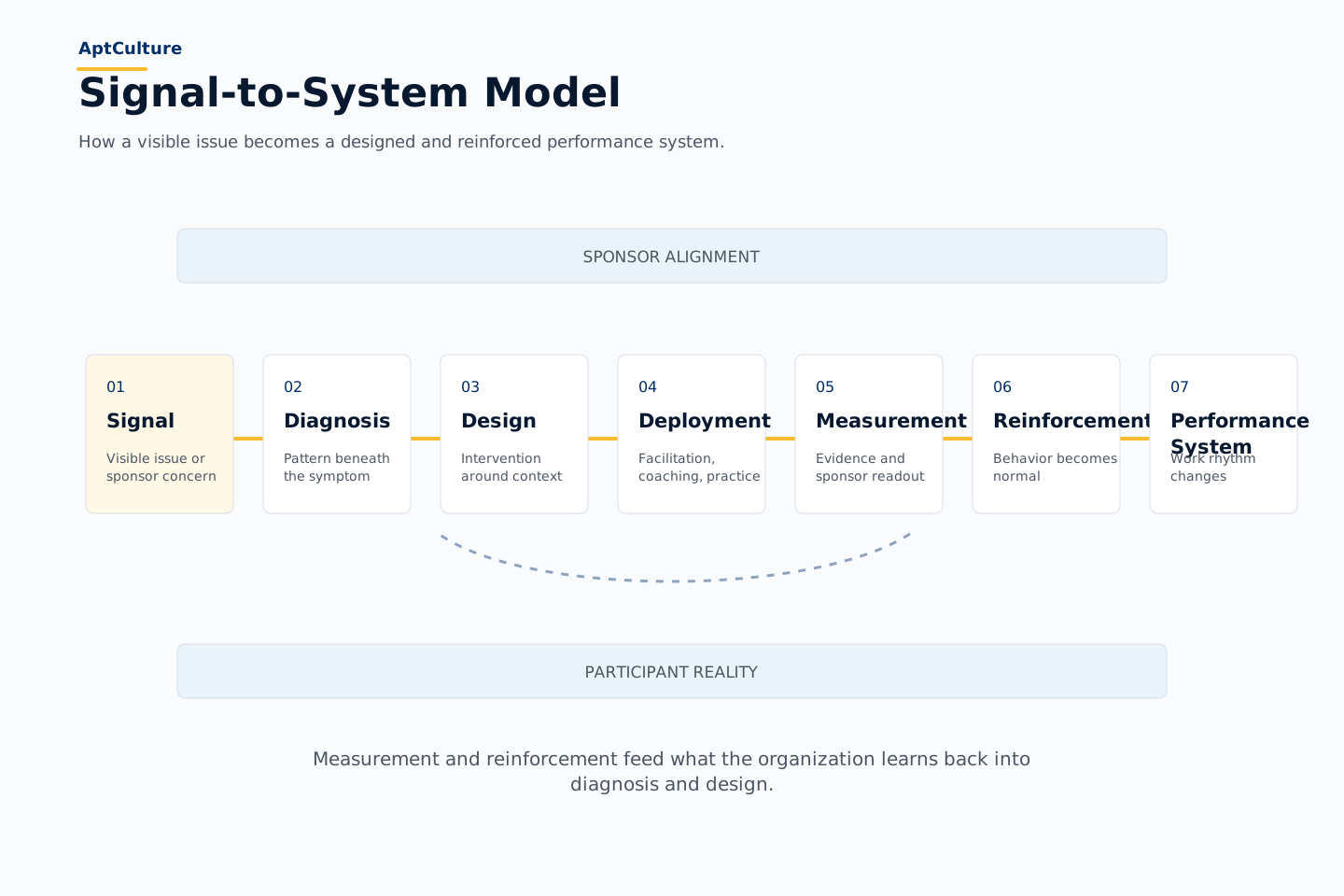
Translates scattered organisational signals into a system view — the layer between symptom reporting and structural change.
Best forSponsors trying to move from anecdote-driven decisions to system-level intervention.
Framework detail pageFramework details available on request.
How senior leaders should use these frameworks.
Frameworks are most useful when they sharpen the question a sponsor is already living with. Used well, they shorten the distance between a quiet signal and a decision the leadership team can stand behind.
Used badly, frameworks become decoration. We try not to do that here. Each lens has a narrow application window and a clear edge where it stops being useful — we will say so on the call.
- 01Start with the live decision
Pick the framework that matches the decision in front of you, not the one that sounds most senior.
- 02Diagnose before you design
Use the framework to surface what is actually happening — then decide what to build, change, or stop.
- 03Pressure-test in the room
Run the lens with the people whose work it describes. The framework only earns its keep if it changes the conversation.
- 04Apply, then retire
Frameworks are scaffolding. Once the decision is taken, the operating system itself should carry the thinking.
Why corridor-specific frameworks matter.
Most global leadership frameworks were written for one operating context and then exported. They under-describe the US-India corridor — where decision rights, escalation norms, and capability assumptions move differently on each side of the ocean.
Corridor-specific lenses do not replace those frameworks. They sit underneath them and surface the operating reality a generic model will quietly miss — usually until it costs an integration, a GCC mandate, or a leader.
- · No guaranteed business outcomes from any framework.
- · No proprietary licensing or accreditation claims.
- · No benchmark, ROI, or industry-comparison statements without attached, approved data.
- · No endorsements, partner status, or client logos beyond what is explicitly approved.
The book and the State of the Corridor.
These frameworks grew out of two long-running bodies of work: the founder's book on US-India corridor performance, and the ongoing State of the Corridor research thread.
Both inform what we put in front of sponsors — and both are the reason we are careful about what we promise. We will say what we have seen; we will not invent benchmarks we have not earned.
State of the Corridor report available on request.

Join the Corridor Briefing.
A quiet, infrequent note for senior leaders working the US-India corridor — frameworks, field signals, and the questions we are being asked in the room.
By submitting, you consent to receive occasional briefings from AptCulture. Unsubscribe anytime.
Apply a framework to the decision you are living with.
Bring a live cross-border problem to a private working session. We will choose the lens that fits the decision, run it with you, and tell you honestly where it stops being useful.